
#1 – Making Thinking Visible in Real Time
Designing Instruction So You’re Not Teaching in the Dark.


📌 The Challenge
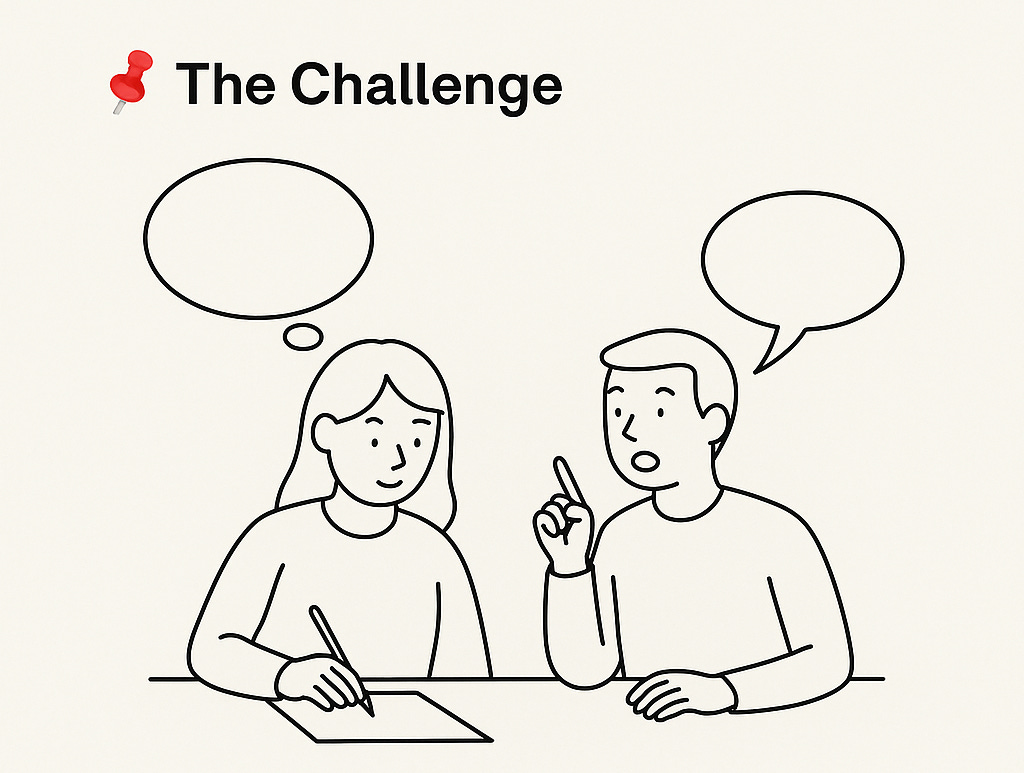
In recent years, much attention has been focused on how to create classrooms where students’ thinking is at the forefront. However, problems may arise if we think of this in terms of physical conditions. Conversations with teachers and coaches led us to examine classroom environments, and the main challenge was the physical layout. We all agreed that the space, at best, would support an awkward arrangement of hanging wipe boards or chart paper for students to huddle around. This physical space challenge provided an opportunity for me to really think about what it means for students’ thinking to be made visible. As educators, we know that we can’t adjust instruction if we can’t see how students are processing. And students don’t always know how to show what they understand.
🔍 The Opportunity
Consider what it truly means to make student thinking visible. Strip it down, and most of what we ask students to produce falls into two categories:
Students are asked to speak, or
Students are asked to write.
Making thinking visible doesn’t require elaborate activities or perfectly arranged wall space. What it does require are intentional routines that capture students’ voices and words in the flow of learning. Using classroom tested routines like “Stop & Jot,” “Think-Pair-Share,” or the “KNOW Chart” provide windows into how students think about the text. These low-prep moves give students space to pause, reflect, and share.
🎯 The Move in Action
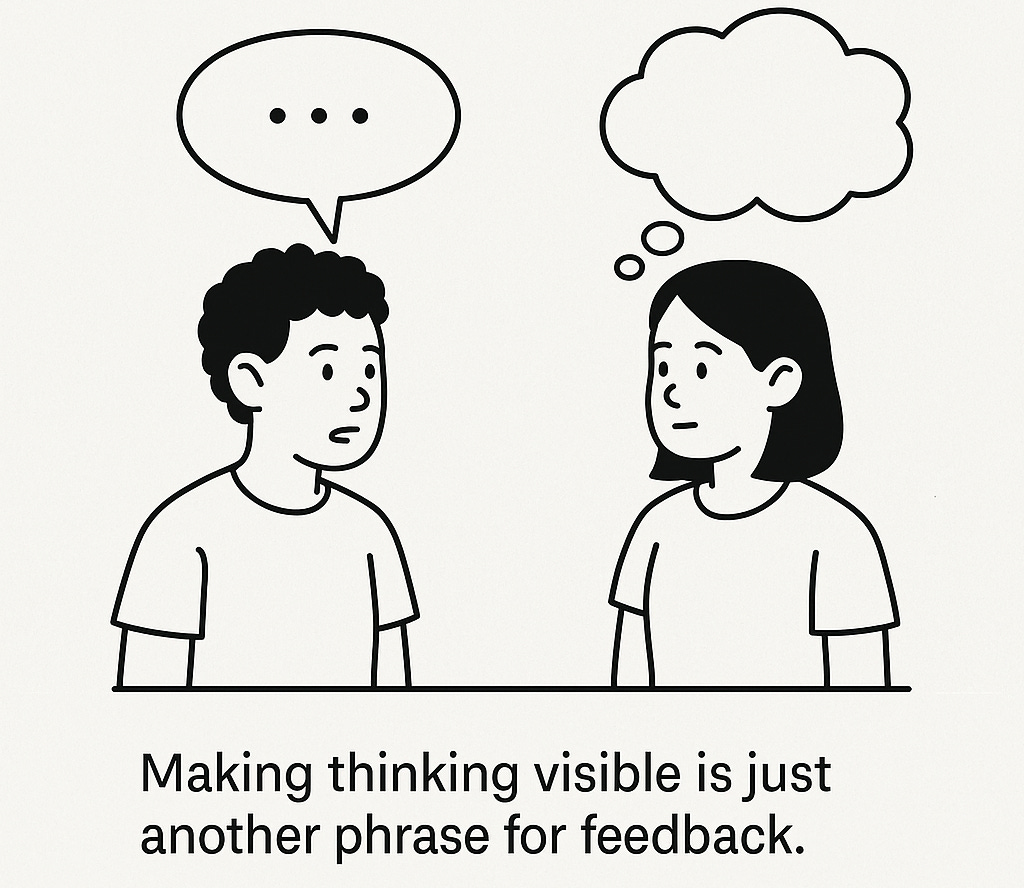
Making thinking visible is closely tied to feedback. In John Hattie’s (2009) synthesis of 30 studies and two meta-analyses he found that providing formative evaluation (a.k.a opportunities to give feedback) to students had a high desired effect size of 0.90. The next time you use a “Stop & Jot” or a “Turn & Talk” as a formative check, consider:
Using a method for recordkeeping the evidence of student observations and work,
Using one of the routines listed above and graphing the results after scoring, and
Asking students questions that delve into areas of growth for their learning.
Intentional use of dialogue or quick writing routines reveals student thinking and shows us how to better support it. Great teachers don’t guess what students are thinking; they create space to see it. It makes the invisible visible.
🗨️ Now It’s Your Turn
When was the last time you used a simple routine to capture student thinking? What did it reveal?
Which feedback routine (speaking or writing) could you try this week to make student thinking visible in real time?
Until next time..
Keep the fire lit. Teach with love. Read with purpose.
Reference
Hattie, J. (2009). Visible learning: A synthesis of over 800 meta-analyses relating to achievement. Routledge.
Thoughtful, yet simple way to record feedback. Even as a non-educator, the benefits of this approach seem obvious.
Like DJ Khalid says - “another one” not Dr Fletcher here dropping gems in between worlds!! This is the best reading on the internet. Hands down!!!